

1. ABOUT THE PROJECT
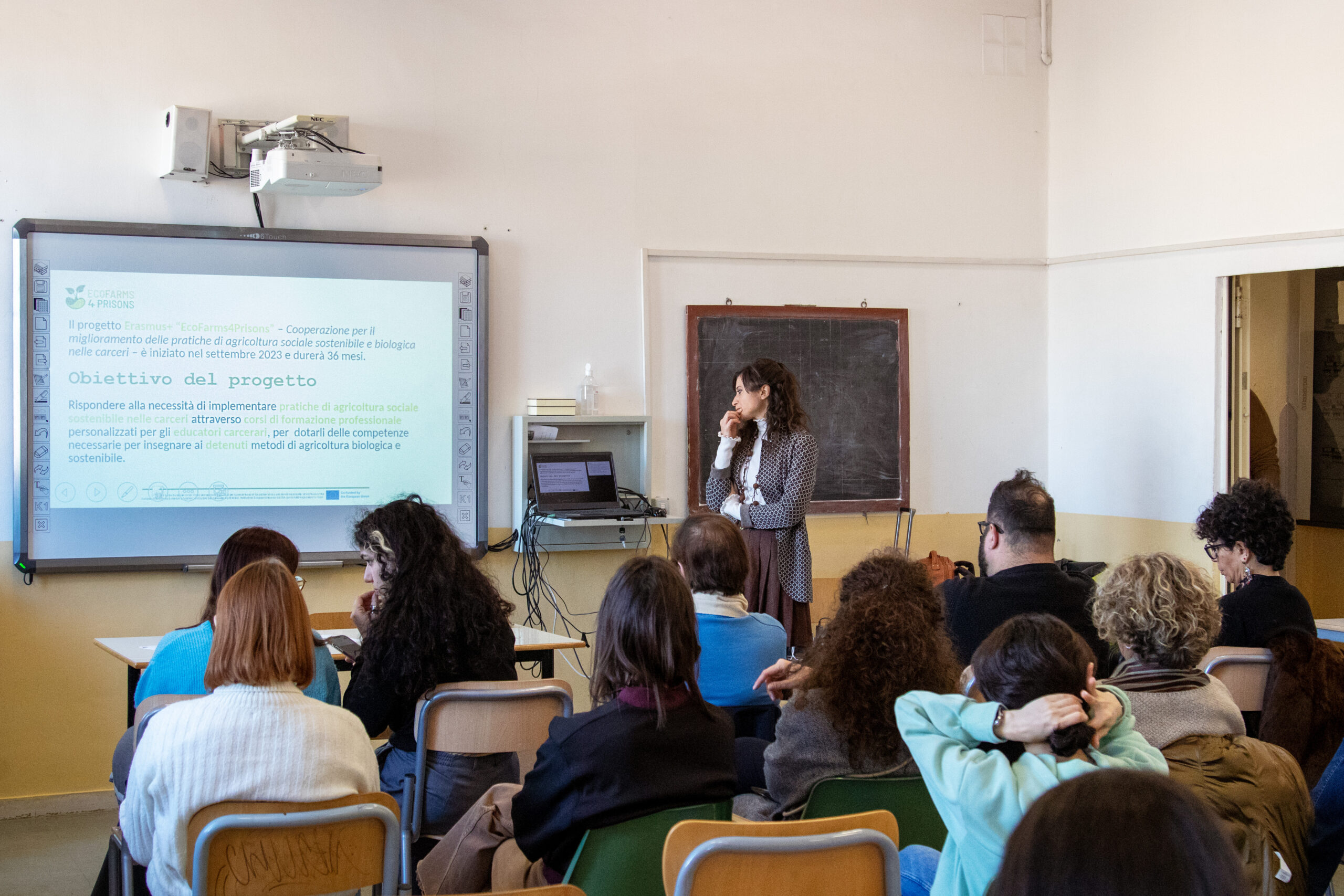
The “Cooperation for the Improvement of Sustainable and Organic Social Farming Practices in Prison” (EcoFarms4Prisons) project is coordinated by Germany in partnership with Italy, Portugal, and Türkiye. The project is supported under the ERASMUS+ Programme KA220-VET. The project aims to promote sustainable social farming in prisons by equipping educators with the skills to teach inmates organic and environmentally friendly farming practices.
2. TRAINING PROCESS
2.1. Theoretical Training (July 2025)
The theoretical training phase, conducted online in July 2025, covered the following topics:
- Soil preparation and improvement
- Sowing and planting applications
- Cultural practices
- Harvesting techniques
- Certification process
2.2. Practical Training (October 19–24, 2025)
The practical training for trainers who completed the theoretical phase took place in Portugal from October 19–24, 2025 (5 days, excluding travel time).

3. PRACTICAL TRAINING CONTENT
3.1. Soil Preparation and Planting Operations
Soil preparation stages:
- Planting rows were superficially tilled to aerate the soil
- Stones and small plant residues were removed using a rake
- Compost was spread evenly on the surface with a rake
- Drip irrigation hoses were laid along the planting rows
- Holes were dug at designated seedling locations using sticks
- Seedlings were planted in the holes, completing the planting process
3.2. Compost Production
Materials required:
- 60% organic matter
- 40% plant waste (fresh and dry plant residues)
- Plant residues obtained during production and after harvest
Production process:
- Fresh plant waste is stored in buckets, and bacterial activation is initiated
- Fresh plant material, organic matter, and dry plant waste are sequentially fed into the grinder
- Materials are accumulated in layers and mixed
- The mixture is covered with a tarp and left to compost
- A temperature test conducted one day later indicated that the compost reached 70°C
Note: This temperature indicates that the composting reaction is progressing successfully.
3.3. Vermicompost Production
Species used: Red California worms (Eisenia fetida)
Reason for selection: These worms are highly effective organic consumers, rapidly processing all organic matter they encounter when kept in groups.
Feeding: Vegetable and fruit waste remaining during the production phase and after harvest is used.
Key considerations:
- Regular and adequate feeding
- Maintaining appropriate soil moisture levels
- Protection from high temperatures
- Protection from frost

4. TRAINING OUTCOMES
The following outcomes were achieved during the five-day training:
- Simple equipment uses: It was demonstrated that soil can be effectively worked using simple agricultural tools
- Production planning: The importance of planning and sowing crops at specific intervals according to demand and needs was emphasised
- Record keeping: Methods for recording yields from each planting row and conducting productivity analyses were learned
- Crop rotation technique: The principle of maintaining soil fertility by rotating crops across different rows was adopted
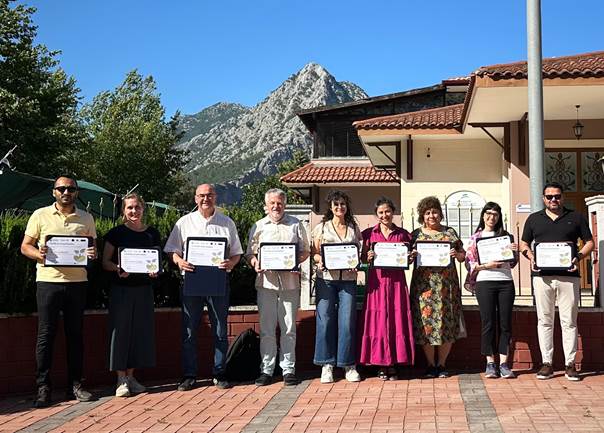
- Certification: Organic farming training was successfully completed, and a trainer certificate was obtained
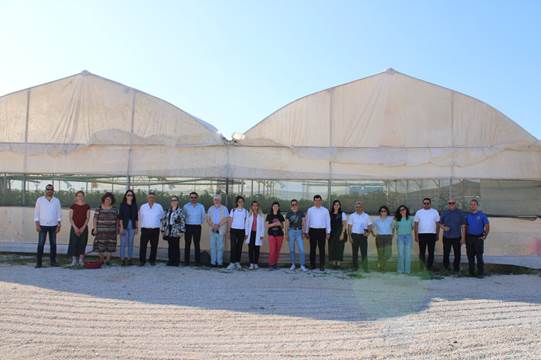
5. FACILITY VISITS
The following site visits were conducted during the training:
- Various correctional facilities
- Municipal organic farming facilities
These visits provided valuable insights into the operation of organic farming practices across different institutional settings.

6. CONCLUSION
The five-day practical training conducted in Portugal proved highly effective in translating theoretical knowledge into practice. Participants successfully obtained organic farming trainer certificates and acquired the necessary competencies to promote sustainable organic farming practices within correctional institutions.