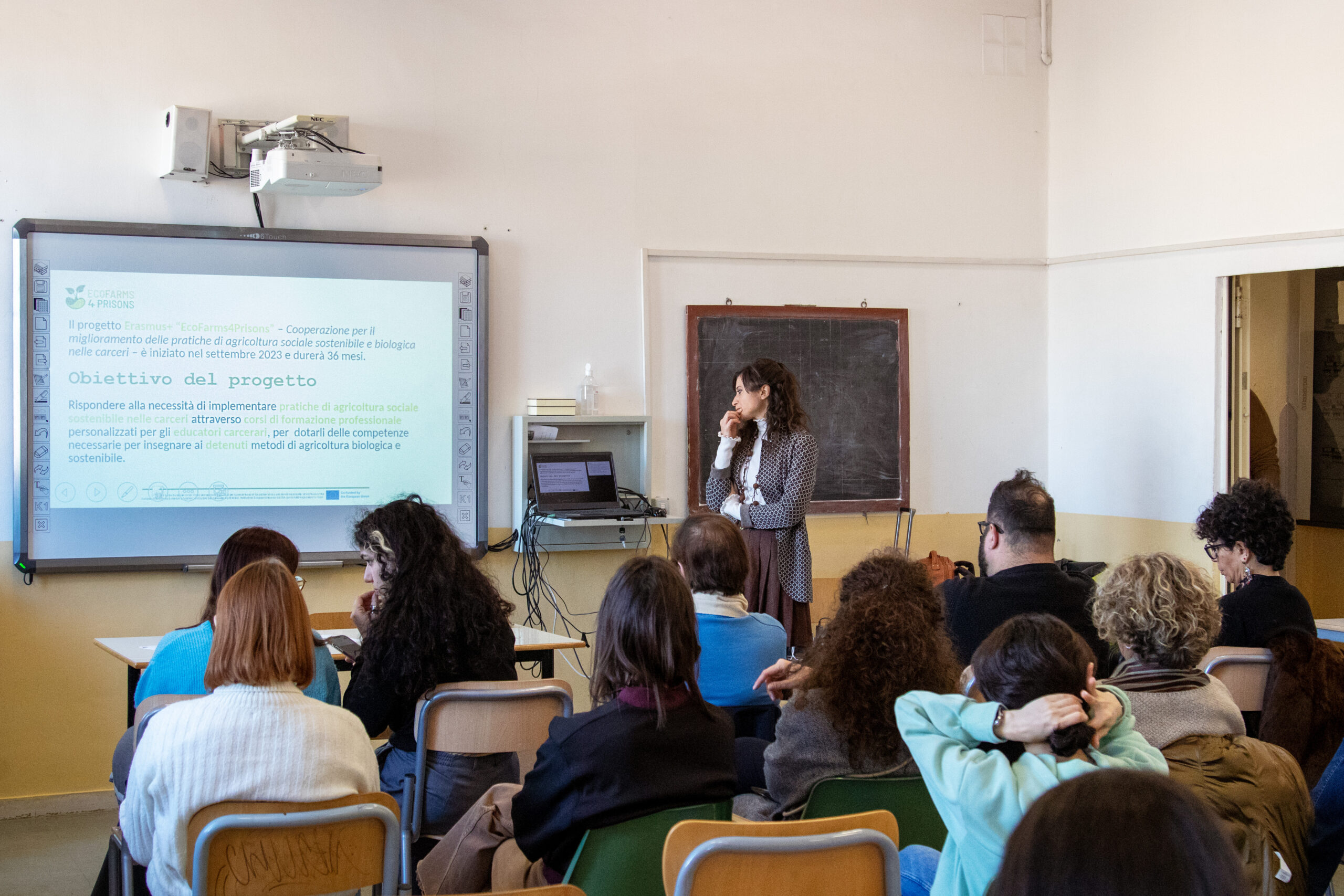

The Trainers Mobility of the EcoFarms4Prisons project took place from October 19th to 24th in Cascais, Portugal. The training included 5 participants from each partner country —Germany, Italy, Portugal, and Türkiye —totalling 20 participants involved in prison work and/or education.
The first day was dedicated to welcoming the participants at Mosteiro Santa Maria do Mar, where they had the chance to present themselves briefly and explain what brought them to this project. Next, the Terras de Cascais division was presented and the plan for the coming days. Finally, an icebreaker activity helped participants get to know each other better and share their expectations.
On Monday, October 20th, the participants started the working week with a visit during the morning to the outside walls of Linhó Prison Establishment, where 52 hectares with agricultural potential are currently abandoned. Nowadays, the outside area includes 35 goats, a cynology centre and a hotel dog.
The visit aimed to challenge the participants of the training to gather ideas to implement a social farm in this area, similar to the one managed by Terras de Cascais, inside the Tires Prison in the near future.
In the afternoon, the participants went to Tires Prison and had the first practical session – Design: explain how the concept of the Brejo and Pisão vegetable garden started and its current status.

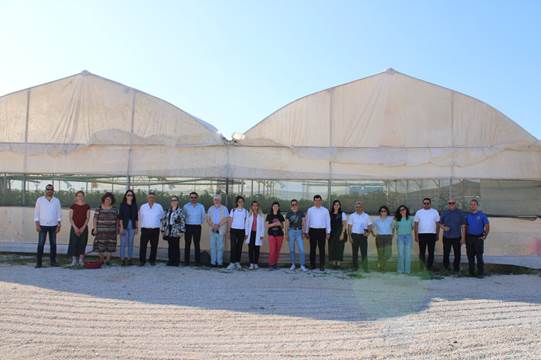
Figure 1: The training participants with the team of female inmates and the Terras de Cascais Team at Horta do Brejo, inside the Tires Prison Establishment.
The third day was spent at Tires Prison and started with a reflection of the day before. The participants were very impressed with all the available arable land inside prisons and the well-maintained farm inside Tires Prison.
The contents had to be adapted to the weather due to the weather conditions. Ricardo Bentes the manager of Tires vegetable garden, explained the main principles of composting and showed the examples onsite. Followed by a practical demonstration of the team of female inmates on how to transform the leftover food from the prison canteen into compost. Then the group was divided into smaller groups of 5 members with a tutor from the Cascais Ambiente team, and each team started preparing a ridge.
The lunch was served in the shed next to the vegetable garden, which had been carefully prepared by female inmates from the Tires Prison cooking training course with the support of Chef Beatriz Santos, using fresh, organic ingredients from the prison garden. The menu has been designed to take the participants on a journey through the flavours of Portugal, from the islands to the mainland and from north to south, so that they could discover one of the most important parts of Portuguese culture.
In the afternoon, the participants had the chance to learn more about weed control.
On October 22nd, still at Tires prison farm, the participants learnt about harvest, planting and sowing.
The next day, on October 23rd, at Quinta do Covelo, part of Sintra Prison, the day was dedicated to the steps towards implementing a social farm in prison, which was then put from theory to practice with an exercise proposed to the participants.
The day ended with the presentations of each group and with a moment of sharing impressions from the whole week.

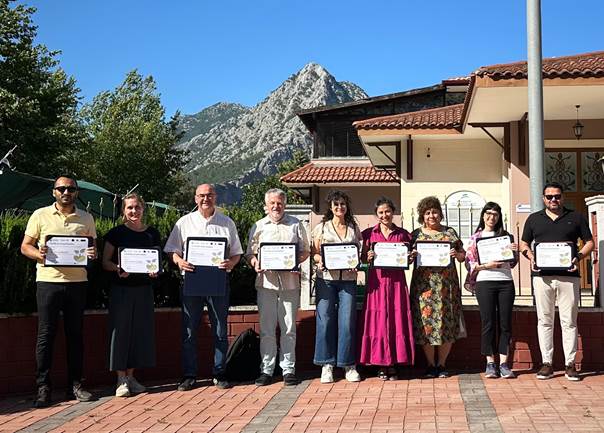
Figure 2: The participants of the mobility of trainers, the Terras de Cascais team and the Directorate-General for Reintegration and Prison Services staff at Quinta do Covelo, inside Sintra Prison Establishment
Finally, the trainers’ mobility week ended on October 24th with a visit to the Quinta do Pisão, a “pick-your-own” organic farm open to the public, where the participants had the chance to see another site of the Terras de Cascais division.

Figure 3: The participants are going to visit Horta da Quinta do Pisão
Afterwards at Casa da Cal, still at Quinta do Pisão, with guests outside the project, there was the presentation of the Terras de Cascais project, the work in prisons, focusing on agricultural projects at the national level by the Directorate-General for Reintegration and Prison Services and the presentation of the EcoFarms4Prisons project, which ended with a celebration lunch.

Figure 4: The participants of the trainers’ mobility and the Terras de Cascais team at the final event